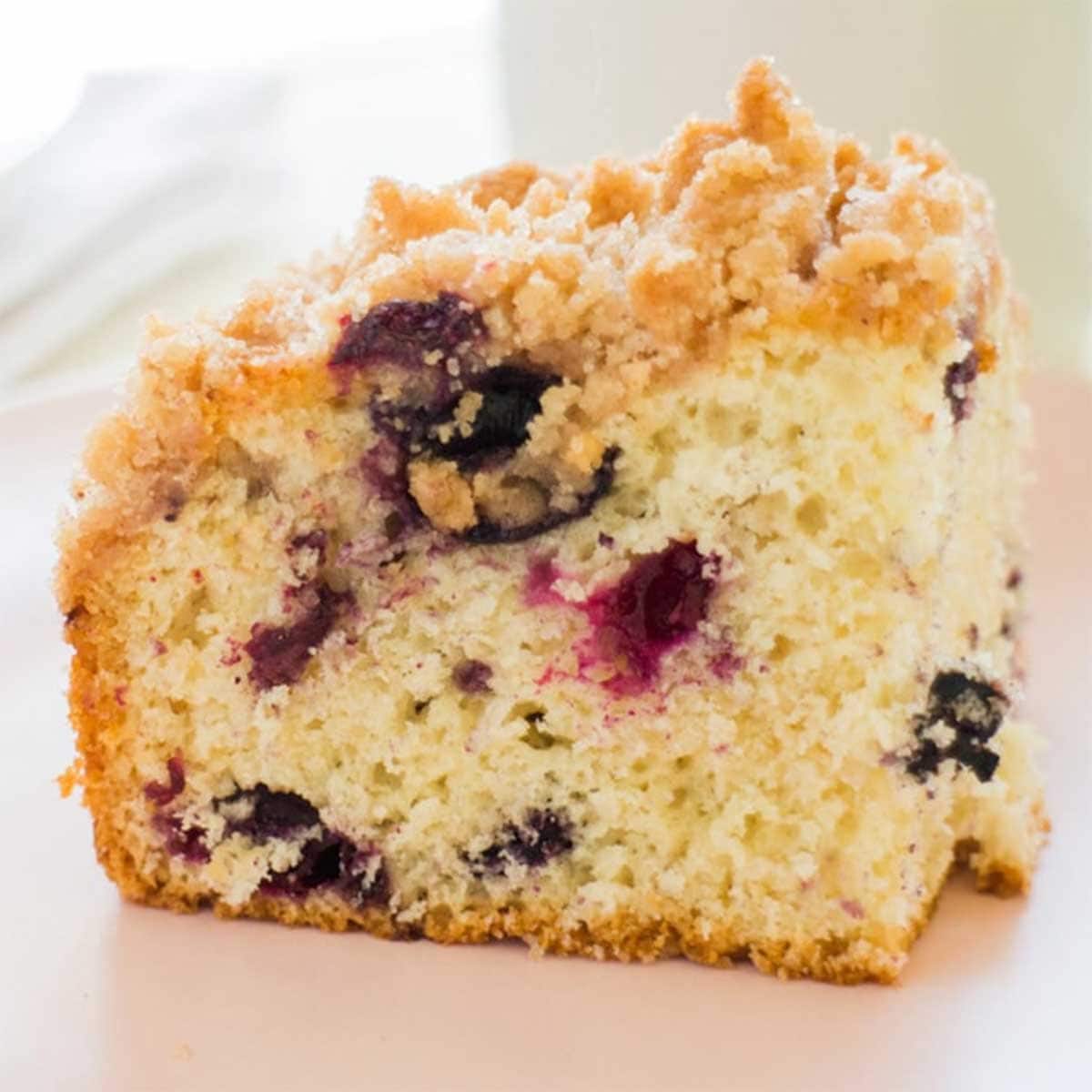
Mastering Blueberry Buckle: The Science Behind a Perfect Crumb Cake
There are few summer desserts as universally beloved as the humble blueberry buckle. Picture this: a slice of warm, tender cake, bursting with sweet and slightly tart blueberries, all crowned with a golden, crunchy streusel that shatters with every bite. It’s a sensory symphony, a slice of pure comfort that transports you to sun-drenched days and cherished memories. Yet, for many home bakers, the journey to this idyllic blueberry buckle crumble cake can be fraught with frustration. Have your past attempts resulted in a soggy, purple mess, a dry, crumbly disappointment, or a cake where all the beautiful berries sank miserably to the bottom? If so, you're not alone, and it’s time to unlock the scientific secrets to buckle perfection.
A classic blueberry buckle isn't merely a coffee cake with fruit; it’s a distinct member of the "homely fruit dessert" family, gracefully positioned somewhere between a robust coffee cake and a juicy cobbler. Traditionally, it features a single layer of tender cake generously studded with fresh berries, then blanketed with a thick, buttery crumb topping. The magic, however, lies in how these elements interact, creating a unique "buckled" appearance that is its namesake. Let’s dive into the science that transforms a good idea into a truly great blueberry buckle crumble cake.
The Anatomy of a Superior Blueberry Buckle: Deconstructing the Perfect Texture
Achieving that coveted buckle texture—where jammy berries seem to collapse into a velvety crumb, and the streusel melts into the cake's crevices—isn't accidental. It's the result of carefully balanced ingredients and precise techniques. A truly masterful blueberry buckle hinges on several key scientific principles:
- Acidity as a Tenderizer: The secret weapon in many top-tier crumb cakes, especially a blueberry buckle, is sour cream. The lactic acid present in sour cream isn't just for flavor; it actively works to break down tough gluten strands within the flour. This process inhibits excessive gluten development, preventing a chewy or rubbery texture and instead yielding an incredibly tender, melt-in-your-mouth velvety mouthfeel that sets an exceptional blueberry buckle crumble cake apart.
- Starch Suspension: One of the most common complaints about fruit-laden cakes is the dreaded "sinking fruit" phenomenon. The solution lies in a thick, high-viscosity batter. This is achieved through specific flour-to-liquid ratios and often incorporates ingredients like sour cream, which add body and fat without thinning the batter excessively. A denser, more viscous batter provides the necessary structural integrity to cradle a generous 2.5 cups of berries, keeping them beautifully suspended throughout the cake rather than allowing them to pool at the bottom.
- Moisture Control: While the cake bakes, moisture evaporation is a critical factor. Too much too soon, and you get a dry top with an undercooked center. The streusel topping, far from being just a garnish, acts as a thermal blanket. This heavy, buttery crumb layer insulates the cake, slowing down the rate of moisture evaporation from the surface. This allows the cake's interior to cook thoroughly and set properly before the top dries out, resulting in a uniformly moist and tender cake.
- The Buckle Mechanism: This is where the dessert earns its name. As the blueberry buckle bakes, the fresh blueberries release their natural juices and steam. This process causes them to soften and gently collapse into the tender cake. Simultaneously, the heavy streusel topping, warmed and softened by the oven's heat, settles and "buckles" into the slight indentations and crevices created by the berries. This creates the signature undulating surface and textural complexity that defines a perfect blueberry buckle.
Crafting the Ideal Batter: The Foundation for Berry Suspension
The journey to a perfect blueberry buckle crumble cake begins with the batter. Forget flimsy, runny batters that resign berries to the bottom of the pan; we need a batter designed for resilience and lift. This calls for a high-density, rich base that can support a substantial fruit load.
The "creaming method" is paramount here. Softened butter and granulated sugar are beaten together until light and fluffy – a process that isn't just about mixing; it's about aeration. This crucial step traps tiny air pockets within the fat and sugar mixture through emulsification. These trapped air bubbles are what provide the initial lift for the cake, helping it rise magnificently around the heavy fruit instead of allowing the berries to sink. Eggs, added after creaming, further contribute to emulsification and structure, binding the fat and water components of the batter together, and providing richness and additional lift. The dry ingredients—flour, baking powder, and salt—are carefully combined separately to ensure even distribution of leavening agents before being gently folded into the wet ingredients. Overmixing at this stage can develop too much gluten, leading to a tough cake, so a light hand is key. Finally, the generous 2.5 cups of fresh (or frozen, unthawed) blueberries are folded in, their fate sealed by the batter's thick embrace.
The Streusel Secret: Beyond Just a Topping
While the cake base cradles the fruit, the streusel topping provides the dramatic counterpoint that elevates a blueberry buckle to star status. This isn't just any crumb topping; it needs to be substantial, flavorful, and play multiple roles in the overall success of your blueberry buckle crumble cake.
A truly great streusel for this dessert is heavy and cinnamon-spiked. Its robust nature isn't just for show; it's fundamental to the "buckle" effect. Composed of flour, sugar, cold butter, and often a generous sprinkle of cinnamon, the streusel should be textural and crumbly, not pasty. Using cold butter is vital as it melts slower during baking, creating pockets of steam that contribute to that desirable shattering, crunchy contrast against the velvety cake below. As mentioned earlier, this generous layer of streusel acts as a protective shield, slowing down the evaporation of moisture from the cake, ensuring it remains moist and tender throughout the baking process. Moreover, the streusel contributes immensely to the sensory experience. About 40 minutes into the bake, your kitchen will be filled with the intoxicating aroma of bubbling blueberries and toasted butter, a surefire sign that something delicious is on its way.
Troubleshooting Your Buckle: Common Pitfalls and How to Avoid Them
Even with the science in mind, baking can sometimes throw a curveball. Here are common issues and how to ensure your blueberry buckle crumble cake comes out perfectly:
- The Soggy, Purple Mess: This usually indicates too much moisture, a batter that's too thin, or overmixed fruit.
- Solution: Stick to the specified sour cream-based batter recipe, which is designed for high viscosity. Gently fold in berries to avoid bursting them prematurely and releasing too much juice. If using frozen blueberries, toss them with a tablespoon of flour before adding to the batter to absorb excess moisture.
- The Dry Muffin Wannabe: Overbaking or insufficient fat/moisture in the batter can lead to a dry, crumbly cake.
- Solution: Always use soft butter for creaming and follow the recipe's fat content. The sour cream is crucial for moisture and tenderization. Monitor baking time closely; a wooden skewer inserted into the center (avoiding a berry) should come out with moist crumbs, not wet batter. The smell of sweet, buttery cake and bubbling fruit is often a better indicator than just time.
- Berries Sinking to the Bottom: A thin batter is the primary culprit here.
- Solution: Ensure your batter is thick and high-density, capable of suspending the fruit. This means precise measuring of flour and liquids. Do not reduce the flour for a "lighter" cake if you want suspended berries.
- Lack of "Buckle": If your cake looks flat on top, the streusel might be too light or the fruit-to-cake ratio is off.
- Solution: Use a generous, heavy streusel topping. Ensure you have ample blueberries; their collapse is what initiates the buckling action.
Embrace the Buckle!
Understanding the science behind your blueberry buckle crumble cake transforms baking from a mere recipe-following exercise into an art form informed by knowledge. By appreciating the role of acidity in tenderizing, the necessity of a viscous batter for starch suspension, the streusel's function in moisture control, and the beautiful mechanism of the "buckle" itself, you gain the power to create a truly exceptional dessert. This isn't just a recipe; it's a blueprint for consistently producing a delightful, comforting crumb cake that will evoke memories and create new ones. So, preheat your oven to 175°C (350°F), grease your 20cm baking dish, and get ready to experience the unmatched joy of a perfectly baked Blueberry Buckle: A Comforting Crumb Cake Between Coffee Cake & Cobbler – a truly rewarding experience for any home baker.
